Why Proper Pruning Matters in Northern Minnesota
Trees in the Duluth area face unique challenges that make professional pruning essential:
Heavy Snow Loads: Duluth receives an average of 86 inches of snow annually. Unpruned trees with dense canopies collect excessive snow, leading to branch failure. Crown thinning allows snow to pass through, reducing dangerous accumulation.
Lake Superior Winds: Gale-force winds off Lake Superior can reach 60+ mph during storms. Trees with properly thinned crowns catch less wind, reducing the risk of windthrow (complete uprooting) and branch breakage.
Ice Storms: Ice accumulation on branches can multiply their weight by several times. Regular deadwood removal eliminates already-weakened branches before they become ice storm casualties.
Types of Pruning We Perform
Crown Thinning
Crown thinning selectively removes interior branches to reduce canopy density while maintaining the tree’s natural shape. Benefits include:
- Reduced wind resistance
- Better light penetration to lawn and understory
- Improved air circulation (reduces fungal disease)
- Lower weight on branch ends
We never remove more than 25% of the canopy in a single pruning session, following ISA guidelines to avoid tree stress.
Deadwood Removal
Dead branches are a safety hazard waiting to fall. They also provide entry points for decay organisms. Our arborists identify and remove:
- Completely dead branches
- Dying limbs showing decline
- Stubs from previous improper cuts
- Broken or hanging branches
Clearance Trimming
Trees growing too close to structures, walkways, or utilities need regular clearance work:
- House clearance: Branches touching roofs, siding, and gutters
- Driveway/walkway clearance: Limbs obstructing vehicle or pedestrian passage
- Utility clearance: Branches approaching power lines (we coordinate with utilities)
- View clearance: Selective limbing to restore lake or scenic views
Health Pruning
Beyond structural concerns, we address tree health through:
- Removing diseased branches before infection spreads
- Eliminating crossing/rubbing branches that create wounds
- Correcting structural defects like co-dominant stems
- Reducing the size of overextended limbs
Crown Reduction
When a tree has grown too large for its location, we can reduce its size without topping. Proper reduction cuts:
- Remove entire limbs back to lateral branches
- Maintain natural tree shape
- Promote healthy regrowth
- Avoid the explosive sprout growth caused by topping
Why We Never Top Trees
Tree topping—cutting main stems to stubs—is one of the most harmful practices in arboriculture. Here’s why we refuse to do it:
Weak Regrowth: Topped trees respond with rapid sprout growth from dormant buds. These sprouts are weakly attached and more likely to fail than the original branches.
Increased Hazard: Within a few years, a topped tree often becomes more dangerous than before—the same height but with structurally weaker branches.
Disease and Decay: Large topping cuts rarely heal properly. They become entry points for decay fungi that compromise the entire tree.
Ugly Appearance: Topped trees look mutilated and never regain their natural form.
Shortened Lifespan: The stress of topping weakens the tree’s overall health, reducing its lifespan significantly.
If a tree is too large for its space, proper crown reduction or removal is always better than topping.
The Right Time to Prune
Different trees have optimal pruning windows:
Late Winter (February-March)
- Most deciduous trees
- Oaks (to prevent oak wilt)
- Structure clearly visible without leaves
- Minimal disease transmission risk
After Flowering
- Lilacs and other spring-blooming ornamentals
- Wait until blooms fade to avoid cutting flower buds
Summer
- Minor corrective pruning
- Removing diseased wood before spores spread
- Better for seeing structural issues in full leaf
Fall (Generally Avoid)
- Trees are preparing for dormancy
- Cuts may not heal before winter
- Some diseases are active
Our arborist will recommend the best timing for your specific trees.
Common Trees We Prune in Duluth
Maples: Norway, sugar, and red maples are common in Duluth. They need careful pruning to prevent excessive bleeding in spring.
Birch: Paper birch and white birch are susceptible to bronze birch borer. Proper pruning improves vigor and pest resistance.
Oak: Northern red oak and bur oak require winter pruning to prevent oak wilt transmission.
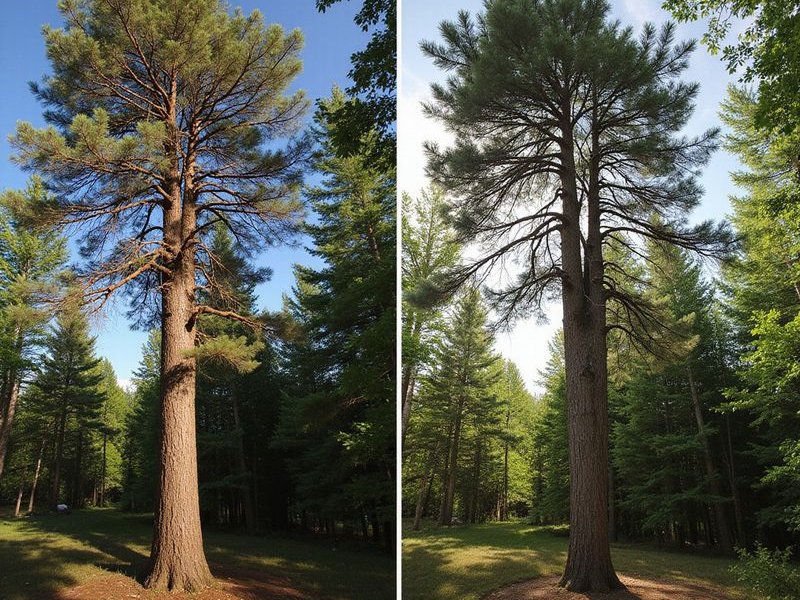
Spruce and Pine: Conifers have specific pruning requirements and generally need less frequent attention.
Ash: Ash trees stressed by emerald ash borer may benefit from health pruning to extend useful life.
Apple and Fruit Trees: Annual pruning improves fruit production and tree health.
What to Expect
Your Free Estimate
Our ISA Certified Arborist visits your property to:
- Assess tree species, size, and condition
- Identify necessary pruning work
- Explain the recommended approach
- Provide a written estimate
There’s no pressure—if we think a tree doesn’t need pruning, we’ll tell you.
The Pruning Process
On the scheduled day, our crew arrives with:
- Bucket truck (for larger trees with access)
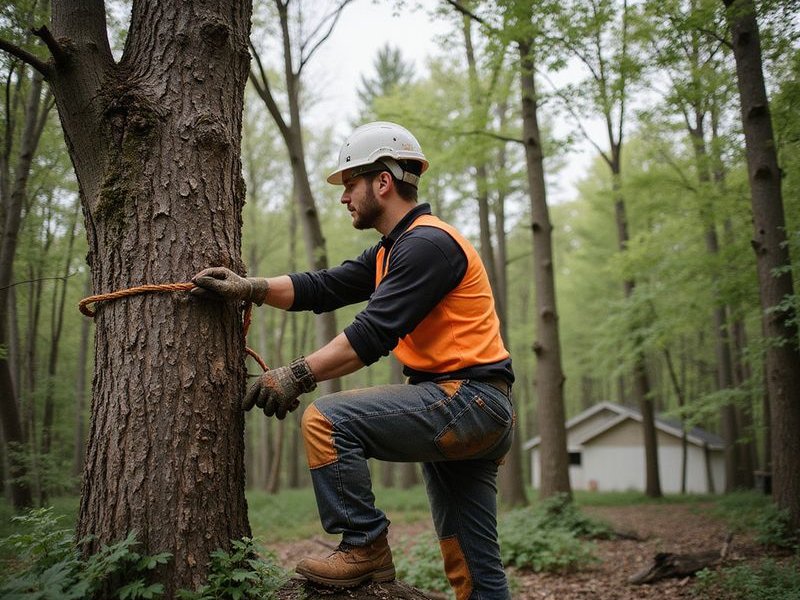
- Climbing gear (for backyards and tight spaces)
- Professional hand saws and pole saws
- Sharp pruning equipment for clean cuts
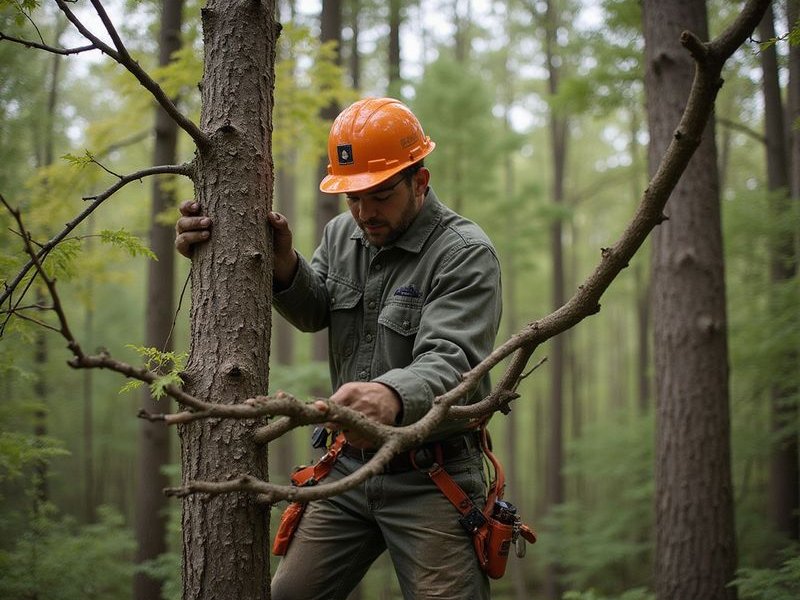
We make proper three-cut removals on larger branches to prevent bark tearing, and final cuts just outside the branch collar to promote rapid healing.
After Care
All brush is chipped on-site and removed. We’ll point out any issues we noticed during pruning—early signs of disease, structural concerns to monitor, or recommended future work.
Schedule Your Tree Assessment
Whether your trees need routine maintenance or you’re concerned about storm safety, our ISA Certified Arborist can help. We provide honest assessments and quality work that your trees will benefit from for years to come.
Call (218) 555-0391 to schedule your free pruning estimate.