What to Expect During a Professional Tree Removal
Step-by-step guide to the tree removal process from estimate to final cleanup. Know what a professional crew does on your property.
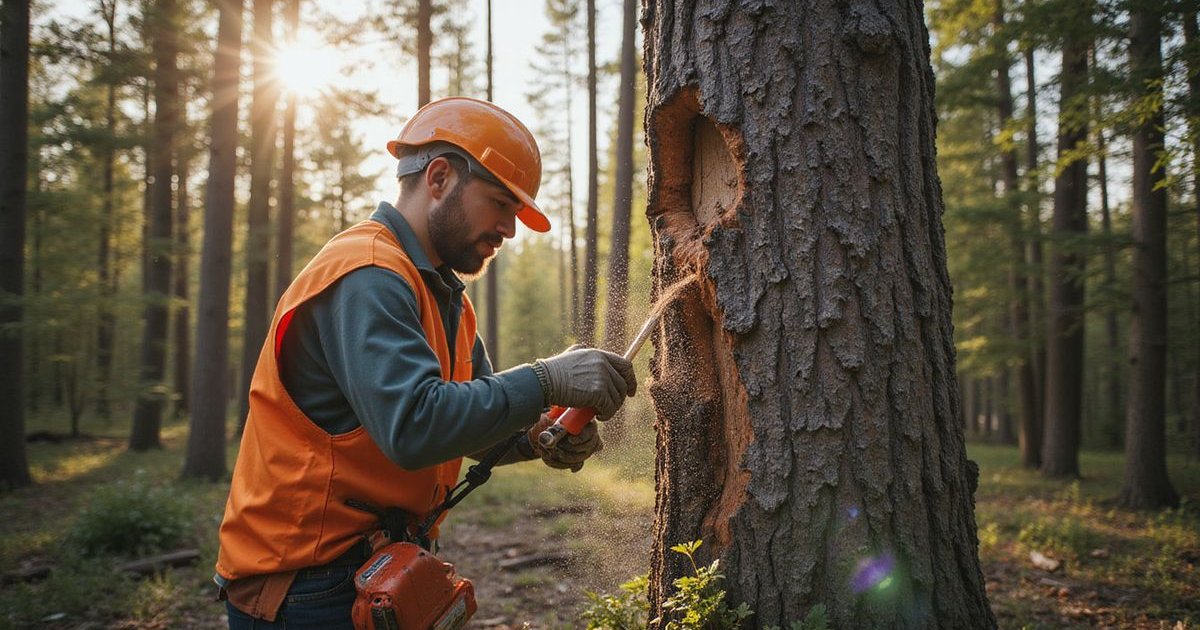
If you’ve never had a tree professionally removed, the process can seem mysterious—or even intimidating when heavy equipment rolls up. Here’s what actually happens during a tree removal, from first contact to final cleanup.
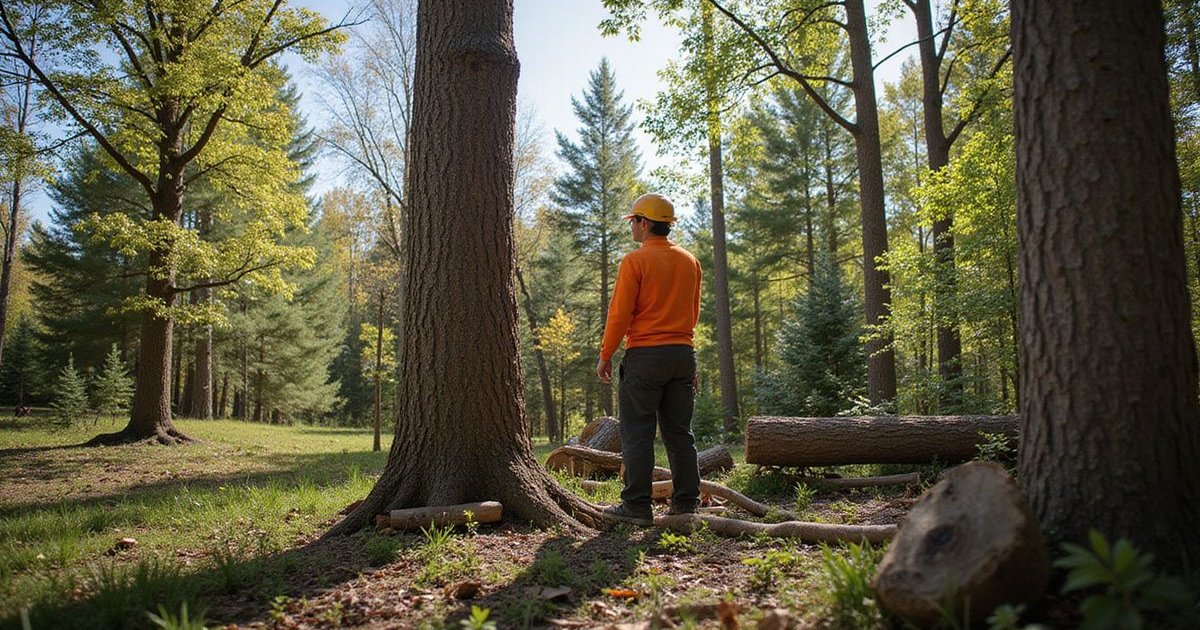
Step 1: The Estimate Visit
Before any work happens, someone needs to see the tree in person. Photos help for initial conversation, but accurate pricing requires an on-site visit.
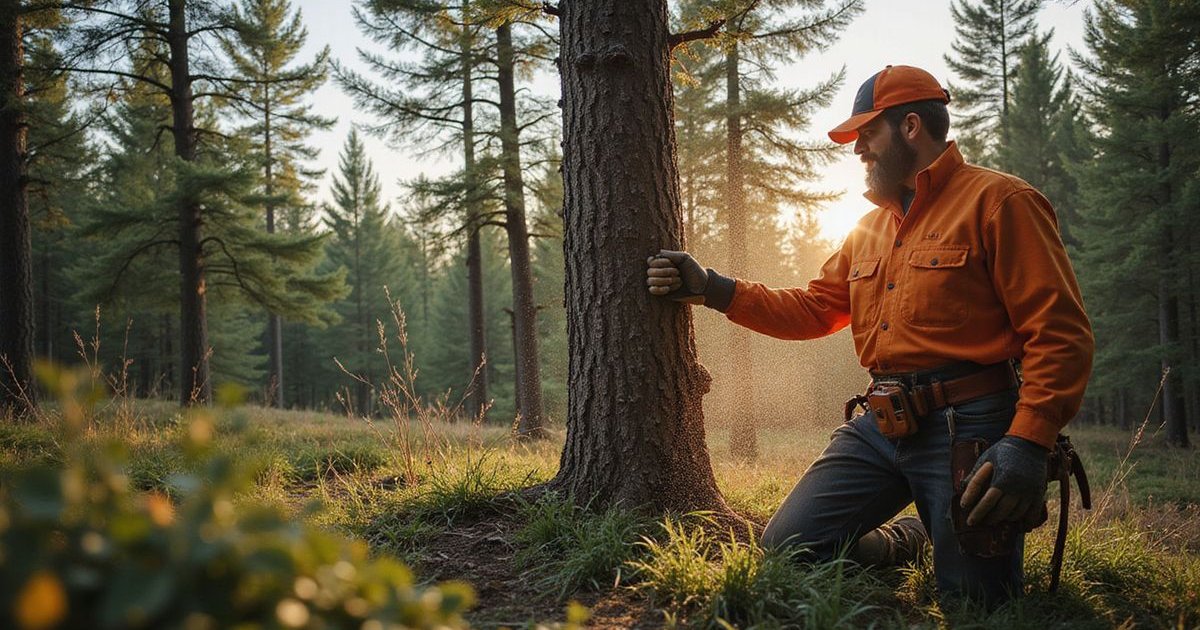
During the estimate, we assess:
- Tree size and species (height, trunk diameter, wood density)
- Health and stability (dead sections, decay, lean)
- Location (near house, power lines, fences)
- Access (can equipment reach the tree?)
- Drop zone (where will debris land?)
- Cleanup requirements (hauling distance, site conditions)
We’ll discuss options: removal only, removal with stump grinding, what happens to the wood. You’ll get a written estimate, usually within a day or two.
Step 2: Scheduling the Work
Once you approve the estimate, we schedule the removal. Timing depends on:
- Our current workload (busiest after storms)
- Weather conditions (we don’t work in high winds or lightning)
- Your schedule (do you need to be home?)
- Permit requirements (some cities require permits for certain trees)
Most removals are scheduled within 1-3 weeks. Emergency storm damage gets priority treatment.
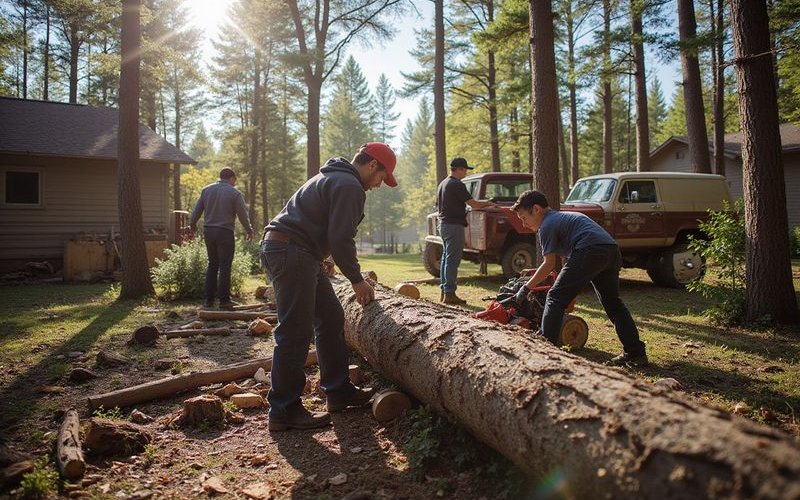
Step 3: Day-of Arrival
On removal day, our crew arrives with appropriate equipment. For a typical residential removal, that includes:
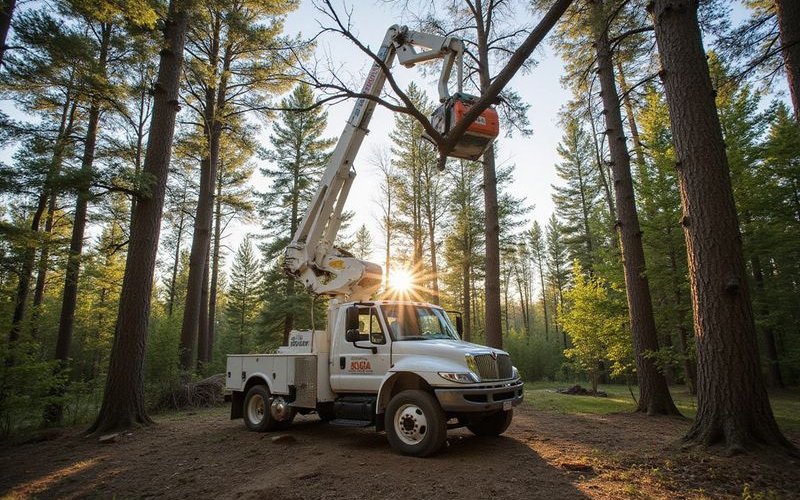
- Bucket truck (if space allows and the tree is reachable)
- Wood chipper for brush processing
- Chainsaws (multiple sizes for different cuts)
- Rigging equipment (ropes, blocks, slings for lowering)
- Safety gear (helmets, chaps, eye/ear protection)
- Truck or trailer for hauling wood
For hillside lots or tight spaces, we might bring a crane or use climbing-only techniques with rigging.
The crew will introduce themselves, confirm the work scope, and discuss any last-minute concerns. We’ll show you where equipment will be staged and explain our work plan.
Step 4: Site Preparation
Before any cutting, we prepare the site:
Clear the drop zone: Anything that could be damaged—lawn furniture, potted plants, decorations—gets moved. We may ask you to move vehicles from the driveway.
Protect surfaces: We lay down plywood or rubber mats where equipment will track across lawn or landscaping.
Establish safety perimeter: The area around the tree is off-limits during active work. We keep curious neighbors and pets at safe distance.
Assess utility lines: If branches are near power lines, we confirm clearance or coordinate with the utility company.
Step 5: The Removal Process
The actual removal technique depends on the tree’s size, location, and condition.
For Trees in Open Areas
If there’s room, we may fell the tree in one piece using directional cutting techniques. The tree falls where we aim it, then we process it on the ground.
For Trees Near Structures (Most Residential Removals)
Trees near houses, fences, or other trees are removed in sections from the top down:
- Climber ascends (or bucket positions) into the crown
- Limbs are removed first, either dropped or lowered with ropes depending on what’s below
- Ground crew processes debris—limbs go through the chipper, larger sections are cut to manageable lengths
- Trunk is removed in sections, each piece carefully lowered or dropped into a safe zone
- Process continues down until only a stump remains
This sectional removal is slower but essential when there’s no room for the tree to fall freely.
Using a Crane
For large trees on steep hillsides or in tight spaces where even climbing is risky, we bring in a crane. The crane lifts sections directly out, eliminating the need for risky drops. It’s more expensive but sometimes the only safe option.
Step 6: Stump Treatment
After the trunk is down, you’re left with a stump. Options include:
Leave it: The stump remains at ground level. Cheapest option, but stumps are trip hazards and can sprout new growth.
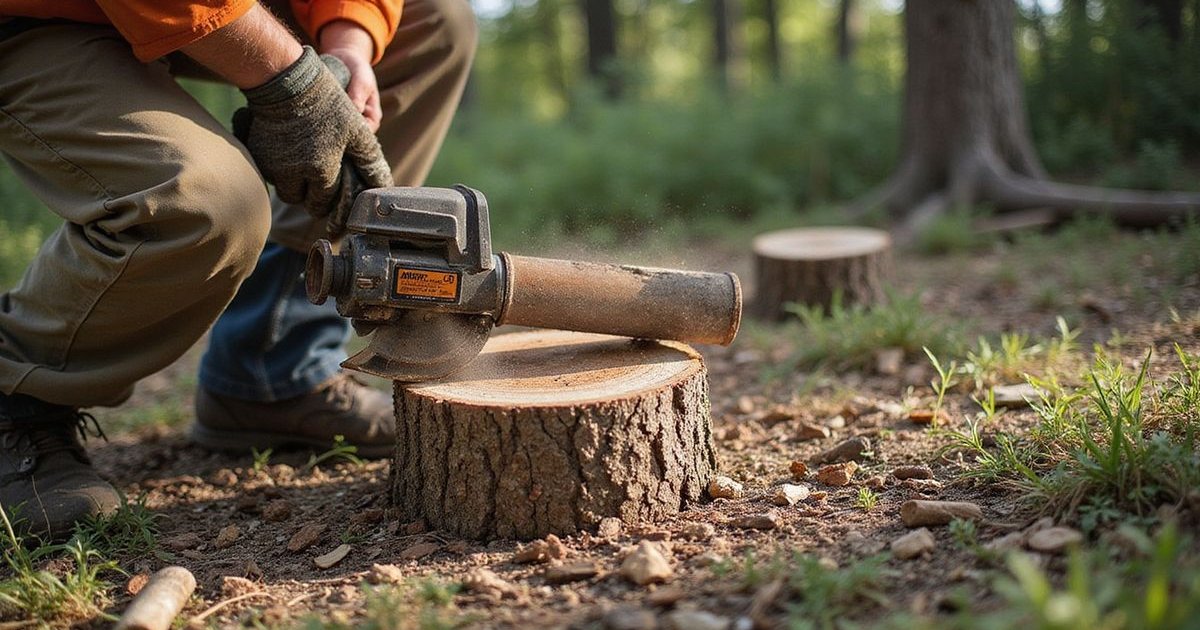
Stump grinding: A machine grinds the stump 4-8 inches below grade, leaving mulch that can be raked level with the surrounding lawn. This is what most homeowners choose.
Complete stump removal: Digging out the entire root ball. More invasive and expensive, but necessary if you’re planting a new tree in the exact spot or pouring concrete.
If stump grinding is included, we typically do it the same day after the tree is down.
Step 7: Cleanup
Professional tree service includes thorough cleanup:
- All brush is chipped and hauled away (or left as mulch if you want it)
- Logs are removed unless you’re keeping wood for firewood
- Sawdust and debris are raked
- Stump grindings are spread or removed based on your preference
- Lawn furniture and items are returned to their positions
We don’t leave until the site is clean. You should be able to walk your yard immediately after we leave.
Step 8: After We Leave
Once we’re gone:
- Inspect the area for any debris we missed
- Water the lawn in compacted areas where equipment sat
- Plan for the stump area: if ground was disturbed, you may need to add soil and seed grass
- Consider replacement planting: we can recommend species appropriate for the space
Timeline: How Long Does It Take?
| Tree Size | Typical Removal Time |
|---|---|
| Small (under 25’) | 1-2 hours |
| Medium (25-50’) | 2-4 hours |
| Large (50-75’) | 4-6 hours |
| Very Large (75’+) | Full day |
Complex removals (tight access, hillside, near structures) take longer than simple ones.
What You Should Do During Removal
Stay clear of the work zone. Tree work is dangerous; we need to focus on the job without worrying about bystanders.
Keep pets inside. Dogs especially may be disturbed by the noise and activity.
Be available in case we have questions or need access to gates, garages, etc.
Let us know if neighbors have concerns—we’re happy to explain what’s happening.
Questions to Ask Before Removal Day
- What time will you arrive?
- How long will the work take?
- What should I move from the yard?
- Will you need access to water or electricity?
- Is stump grinding included in the price?
- What happens if weather delays the work?
Ready to schedule your tree removal? Learn more about our professional tree removal service or call (218) 555-0391 for a free estimate. We’ll walk you through the process for your specific tree.
Erik Janssen
ISA Certified Arborist serving Duluth and the North Shore since 2016. Dedicated to professional tree care and honest advice.