When Is the Best Time to Trim Trees in Duluth, MN?
The best time to trim most trees in Duluth is late winter. Learn why timing matters and which species have special pruning windows.
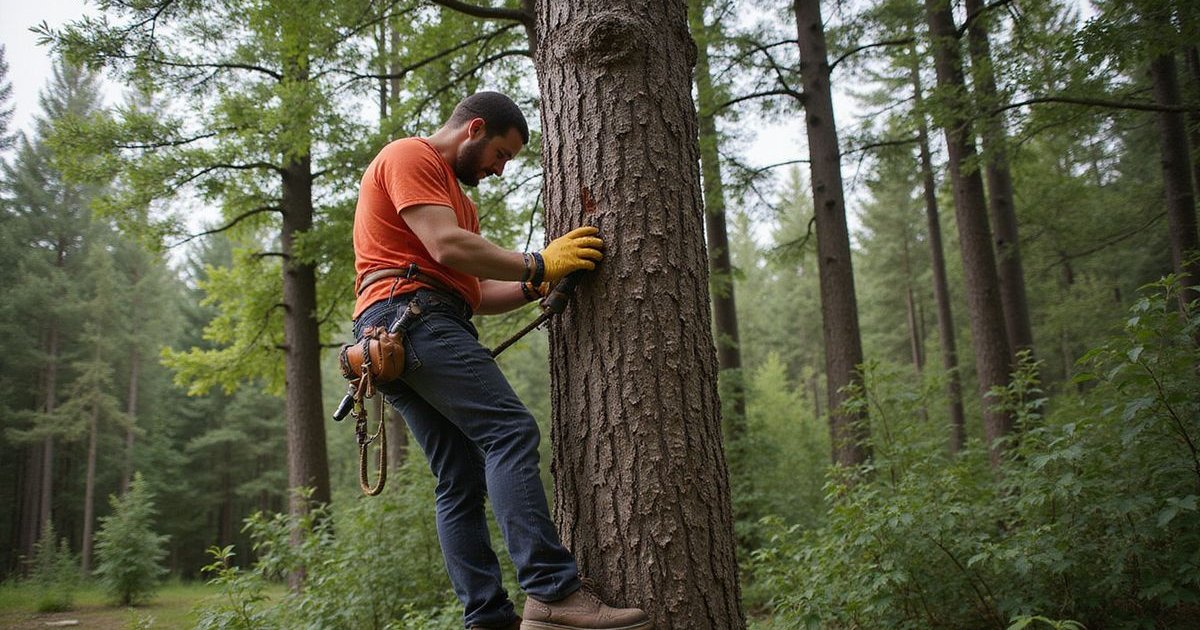
“When should I trim my trees?” is the single most frequent question we receive from Duluth homeowners.
The short answer usually points to late winter as the safest bet for most species.
But the full answer depends entirely on what you are trying to achieve and which specific tree stands in your yard.
We have seen too many well-intentioned homeowners damage their oaks or elms by cutting at the wrong time.
This guide breaks down the precise timing, local disease risks, and climate factors you need to know to keep your landscape healthy.
The Golden Rule: Prune in Late Winter
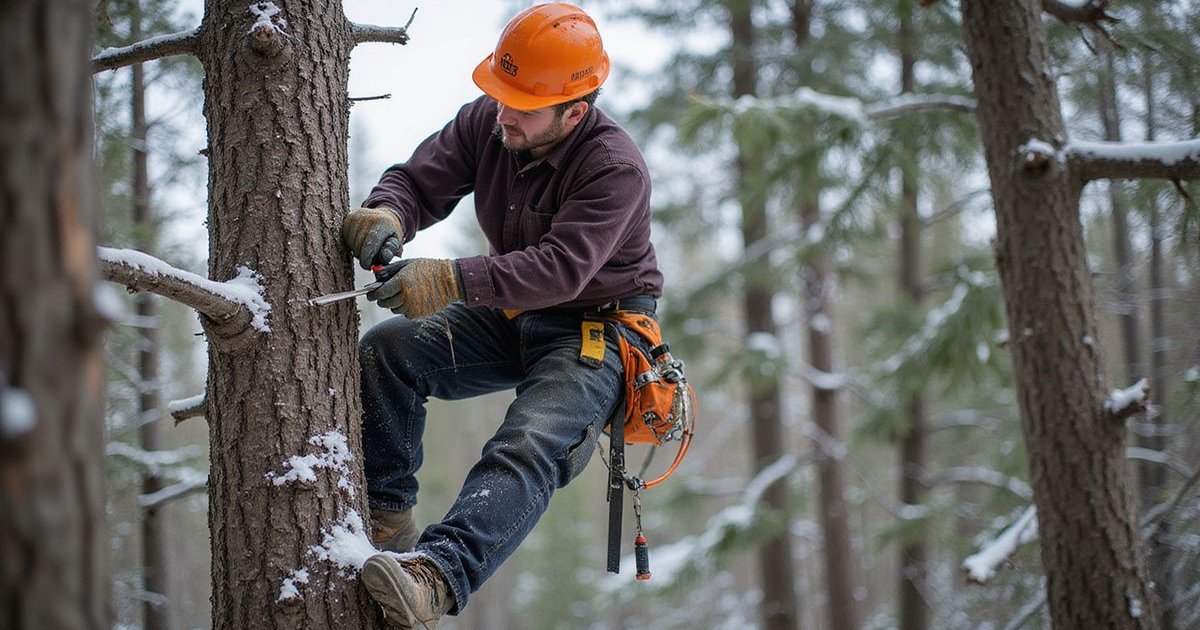
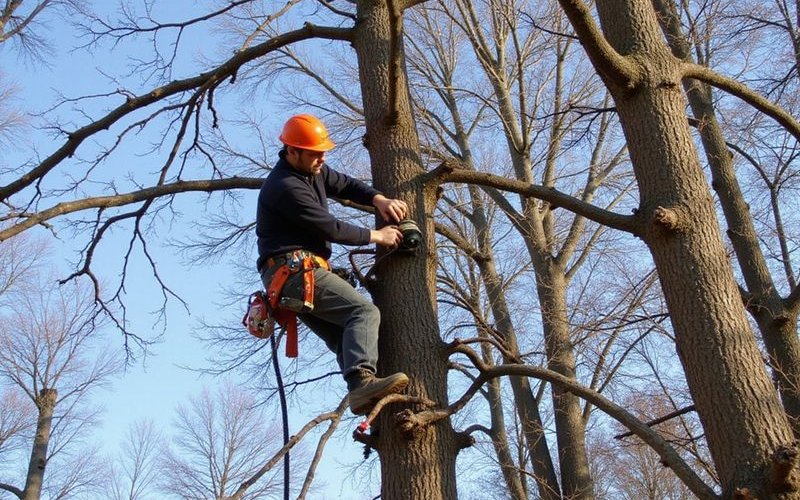
For the vast majority of deciduous trees in northern Minnesota, we recommend scheduling work between late February and early April.
This window sits in the sweet spot after the deepest freeze but before sap begins to flow for spring growth.
Why late winter works best:
- Disease Prevention: Fungi and bacteria are dormant in the cold, drastically reducing infection risk.
- Structure Visibility: Without leaves, we can clearly see crossing branches and structural defects.
- Faster Recovery: Trees seal wounds rapidly once they break dormancy in spring.
- Lawn Protection: Frozen ground allows us to use equipment without churning up your grass.
We generally advise against pruning when temperatures drop below -10°F.
Wood becomes brittle in extreme cold, and cuts can lead to cracking or shattering rather than a clean sever.
Critical Species-Specific Restrictions
Ignoring general rules is possible sometimes, but ignoring species-specific biology can be fatal.
Certain trees in our region face severe disease pressures that dictate their pruning schedule.
Oaks: The Strict November-March Window
We cannot stress this enough: never prune an oak tree in Minnesota between April and July.
This period marks the high-risk season for Oak Wilt, a fungal disease that can kill a mature Red Oak in a single summer.
Sap beetles, which spread the fungus, are active during these warm months and can smell a fresh cut within minutes.
The safest approach for Oaks:
- Best Time: November through March.
- Emergency Rule: If a storm breaks an oak branch in June, you must paint the wound immediately with latex paint or shellac.
- Why: This creates a barrier against the beetles until the tree can seal itself.
Ash Trees and the Emerald Ash Borer
Emerald Ash Borer (EAB) remains a significant threat in St. Louis County and surrounding areas.
We strictly avoid pruning Ash trees during the EAB flight season, which runs from May 1st to September 30th.
Pruning during flight season releases volatile compounds that attract adult beetles to your tree.
Schedule all Ash maintenance for the dormant winter months to lower the risk of infestation.
Birch and Maple: Managing the “Bleed”
You might notice heavy sap flow if you prune a maple or birch in late spring.
We often explain to concerned clients that this “bleeding” is rarely harmful to the tree’s health, but it is unsightly and messy.
If you want to avoid sap dripping on your patio or driveway, wait until mid-summer after the leaves have fully hardened off.
Fruit Trees: Timing for Yield
Apple, cherry, and plum trees require specific timing to maximize your harvest.
We perform structural pruning on fruit trees in late winter just before bud break.
This stimulates vigorous growth in the spring and helps sunlight reach the ripening fruit later in the season.
Evergreens: The Candle Stage
Pines, spruces, and firs grow differently than broadleaf trees.
We target early summer for these species, specifically when the new growth (candles) has expanded but hasn’t yet hardened.
Evergreen pruning tips:
- Pines: Pinch back candles by half to control size.
- Spruces: Prune back to a lateral branch or bud.
- Warning: Never cut into old wood on a pine tree that lacks needles; it will not grow back.
Duluth’s Unique Climate Factors
Our local geography creates microclimates that shift the pruning calendar significantly compared to the Twin Cities.
The Lake Superior Effect Properties in Lakeside or Congdon often stay cooler later into the spring than those “over the hill” in Hermantown or Proctor.
This temperature lag can delay bud break by two weeks, extending the safe winter pruning window for lakeside homes into mid-April during cooler years.
Managing Heavy Snow Loads Duluth trees must withstand heavy, wet spring snows.
We use late winter pruning to thin out the crown, reducing the surface area where snow can accumulate.
This structural thinning prevents the devastating limb failure often seen during March blizzards.
Seasonal Pruning Guide for Duluth
We use this general calendar to plan maintenance for our residential and commercial clients.
| Season | Recommended Actions | High-Risk Warnings |
|---|---|---|
| Late Winter (Feb-Early Apr) | Major structural pruning, crown thinning, fruit tree maintenance. | Avoid pruning if temps are below -10°F. |
| Spring (Apr-May) | Removal of winter-damaged branches only. | NO OAKS. Avoid active pruning as leaves emerge (energy drain). |
| Summer (Jun-Aug) | Removing deadwood, light thinning, hedge trimming. | NO OAKS or ASH. Avoid removing more than 10% of live foliage. |
| Fall (Sep-Nov) | Strictly deadwood removal only. | Do not prune live wood. Wounds heal poorly before winter. |
Boulevard Trees and City Regulations
Many homeowners do not realize that trees in the strip between the sidewalk and curb often belong to the City of Duluth.
We always verify ownership before starting work on street-side trees.
According to Duluth city ordinances, you typically need a permit to prune or remove trees on public right-of-ways.
Unpermitted work can result in fines, so checking with the City Forester or hiring a licensed contractor who handles these permits is essential.
When to Call a Professional
DIY pruning is generally safe for small branches you can reach while standing firmly on the ground.
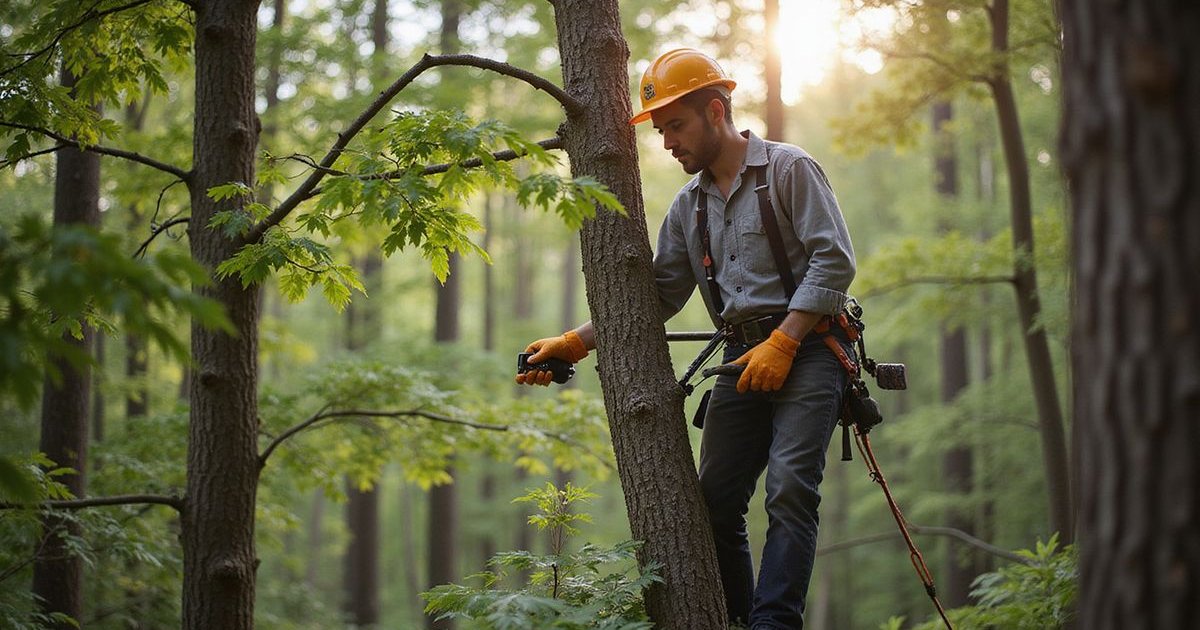
We recommend calling a certified arborist if the job involves ladders or chainsaws at height.
Safety thresholds for professional help:
- Height: The branch is reachable only by ladder.
- Size: The limb is larger than 4 inches in diameter.
- Proximity: The tree is within 10 feet of power lines (never attempt this yourself).
- Health: The tree shows signs of rot, deep cracks, or fungal growth.
Improper cuts are permanent damages that can shorten a tree’s life by decades.
Correct pruning is an investment in the safety and value of your property.
Get Your Trees Ready for Spring
Late winter appointments fill up faster than any other time of year.
We encourage you to look at your trees now before the spring rush begins.
Learn more about our tree trimming and pruning services or call (218) 555-0391 to schedule a specific assessment for your property.
Our team will evaluate your species, soil, and structure to recommend the exact right timing for your landscape.
Erik Janssen
ISA Certified Arborist serving Duluth and the North Shore since 2016. Dedicated to professional tree care and honest advice.