5 Benefits of Winter Tree Pruning in Northern Minnesota
Winter is ideal for tree pruning in Duluth. Frozen ground protects lawns, dormant trees heal faster, and structural issues are easier to spot.
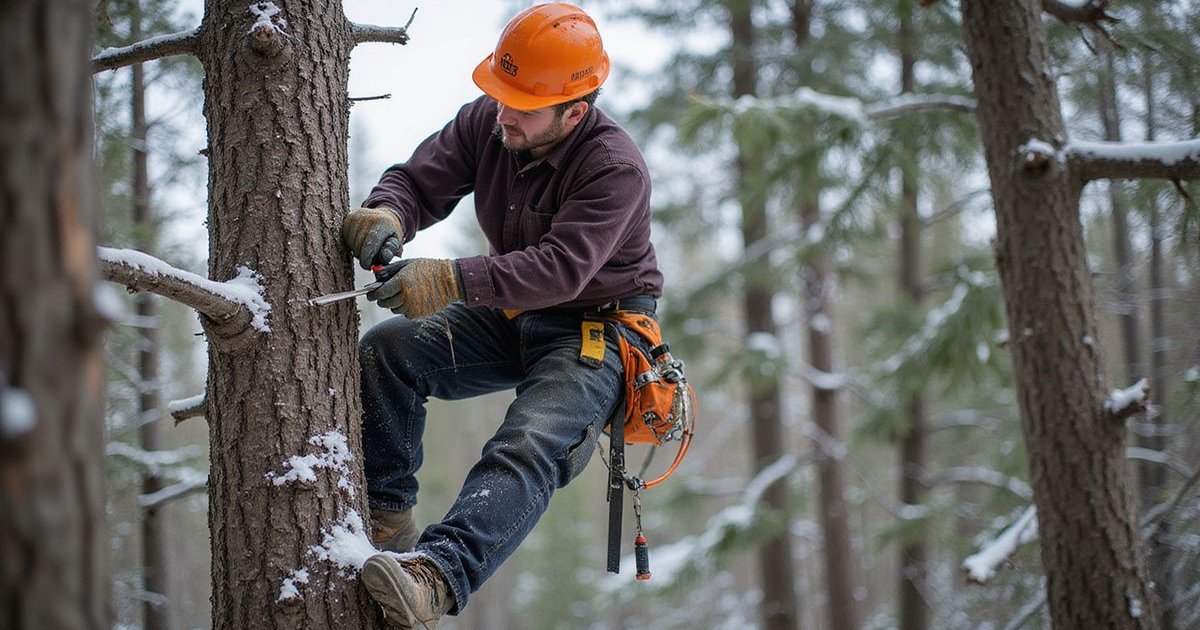
Most Duluth homeowners think of tree care as a summer activity. But in our experience, the “off-season” is actually the most strategic time to invest in your landscape.
Winter provides a unique window where biological dormancy and physical conditions align perfectly for heavy lifting. We often tell our clients that winter pruning isn’t just about maintenance; it’s about setting your trees up for a successful spring.
Here is why we recommend scheduling your major pruning work during the dormant months.
1. Dormant Trees Respond Better
When trees enter dormancy (typically November through March in Northern Minnesota), their biological systems change. They stop expending energy on growth and instead store vital reserves in their root systems and trunks.
Why this matters:
- Faster Sealing: Wounds made in late winter begin sealing almost immediately once sap starts flowing in spring.
- Energy Conservation: The tree doesn’t waste energy trying to heal mid-season cuts while also producing leaves.
- Reduced Stress: Without the demand of supporting a full canopy, the tree handles the stress of branch removal much better.
We find that a tree pruned in February pushes vigorous, healthy growth as soon as temperatures rise. Conversely, that same tree pruned in July often struggles to seal wounds while simultaneously maintaining its foliage.
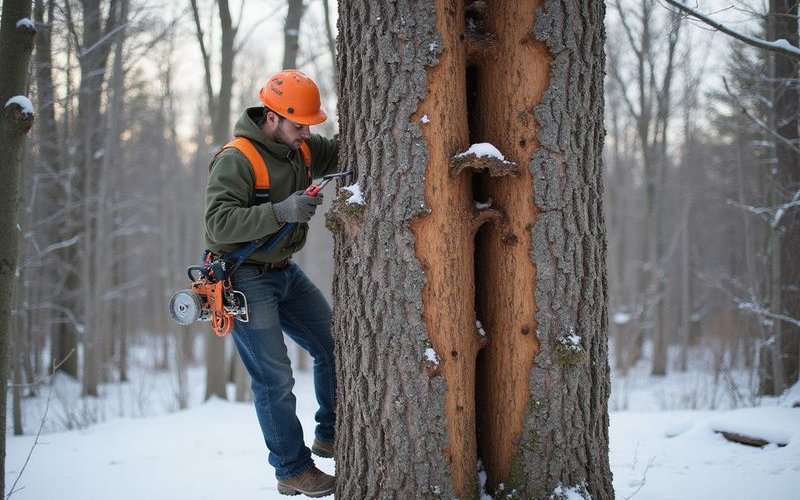
2. Frozen Ground Protects Your Lawn
Our bucket trucks and chippers are heavy pieces of equipment, often weighing over 30,000 pounds. Using this machinery on a soft summer lawn can easily lead to soil compaction and unsightly ruts.
The Winter Advantage: Northern Minnesota winters provide a natural pavement. According to National Weather Service data for Duluth, frost depths frequently reach 60 inches by late winter. This deep freeze creates a solid surface that allows our heaviest equipment to roll across your property without leaving a mark.
Lawn Impact Comparison:
| Season | Soil Condition | Risk of Rutting | Compaction Depth |
|---|---|---|---|
| Summer | Soft / Wet | High | 6-8 inches (Root Damage) |
| Winter | Deeply Frozen | Near Zero | Surface Only (No Damage) |
We can access difficult areas of your property in January that would be off-limits in June. Your lawn and garden beds remain completely undisturbed under their protective layer of snow and frost.
3. Structure Is Clearly Visible
Without leaves obscuring the view, a tree’s architecture is fully exposed. This visibility allows us to identify structural defects that might be hidden by summer foliage.
What we look for:
- Included Bark: Weak unions where bark grows inside the branch attachment.
- Crossing Branches: Limbs that rub against each other, creating wounds.
- Deadwood: Dead branches often display a different bark texture that stands out against live wood in winter sunlight.
- Structural Imbalance: We can instantly see if a tree is leaning or heavier on one side.
Summer pruning often involves a degree of estimation regarding what lies behind the leaves. Winter pruning eliminates this guesswork, allowing for precise cuts that improve the long-term stability of the tree.
4. Less Disease Pressure
This is perhaps the most critical biological benefit for Minnesota trees. Many devastating tree diseases are spread by insects that are attracted to fresh pruning wounds.
The Oak Wilt Factor: Oak Wilt is a major threat in our region, and it spreads via sap beetles. These beetles are highly active from April through July, which is why the Minnesota DNR strongly advises against pruning oaks during this high-risk window.
Safe Species for Winter Work:
- Oaks: Pruning between November and March completely avoids the risk of beetle-transmitted Oak Wilt.
- Elms: Dutch Elm Disease vectors are inactive in cold weather.
- Fruit Trees: Fire blight bacteria are dormant, making late winter the safest time to prune apple and pear trees.
We schedule our most sensitive species exclusively for winter. By the time the disease-carrying insects emerge in spring, your tree’s pruning wounds have already started the sealing process.
5. Scheduling Is Easier
Let’s look at the logistics. Tree service companies are typically overwhelmed from May through October with storm damage and general maintenance.
The “Off-Season” Reality:
- Faster Turnaround: Wait times for an assessment often drop from 4-6 weeks in summer to just 1-2 weeks in winter.
- Crisis Prevention: You avoid the “emergency premium” that often comes with urgent summer storm cleanup.
- Focused Attention: Crews are less rushed and can dedicate more time to the fine details of your project.
- Potential Savings: Because demand is lower, some companies offer winter rates to keep their skilled arborists working.
If you have a non-urgent project, booking it in January or February is simply the smartest way to manage your property care budget.
What About the Cold?
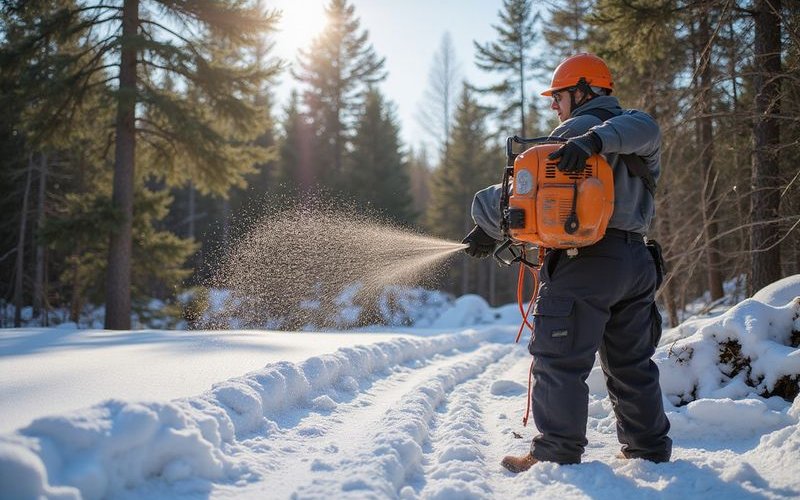
You might ask if it is actually safe to work outside in a Duluth winter. The answer is yes, provided we respect certain limits.
Our Operational Limits: We work effectively down to about 0°F. Below this temperature, hydraulic fluids in our equipment thicken, and safety risks for our climbers increase. We also pause operations during high winds or heavy precipitation to ensure the safety of our crew and your property.
The trees themselves are perfectly fine with the cold. A pruning cut made at 15°F heals just as well as one made at 40°F because the tree remains biologically inactive until spring.
When Winter Pruning Isn’t Ideal
There are a few specific scenarios where we might recommend waiting.
Exceptions to the Rule:
- Spring-Flowering Shrubs: Plants like lilacs set their flower buds the previous year; pruning them in winter removes the upcoming bloom.
- Extreme Cold Snaps: We avoid pruning during weeks where temperatures drop significantly below zero to prevent brittle wood failure.
- Immediate Hazards: A broken branch hanging over a walkway cannot wait for the perfect season and must be addressed immediately.
The Ideal Winter Pruning Window
For the best results in the Duluth area, we target a specific timeframe.
Late February to Early April: This is the “sweet spot” for Northern Minnesota. The ground remains frozen enough to protect your lawn, but the coldest days of winter are usually behind us. Most importantly, pruning during this window minimizes the time fresh wounds are exposed before the spring growth cycle begins.
Common Winter Pruning Projects
Young Tree Training: We correct structural defects in young trees now to prevent expensive problems later.
Crown Cleaning: This involves removing dead, dying, or diseased branches to improve overall health.
Crown Raising: We remove lower branches to provide clearance for vehicles, pedestrians, or buildings.
Vista Pruning: Winter is the perfect time to strategically open up views of Lake Superior or other landmarks.
Fruit Tree Production: Pruning apple and cherry trees in late winter encourages better fruit production for the coming season.
Ready to Schedule Winter Pruning?
If you want to get ahead of your spring landscape checklist, now is the time to act. Winter appointments fill up quickly as more property owners realize the benefits of dormant pruning.
Our professional tree trimming and pruning follows ISA-approved techniques year-round. Call (218) 555-0391 to arrange a winter assessment. We will examine your trees and build a plan that takes full advantage of the dormant season.
Erik Janssen
ISA Certified Arborist serving Duluth and the North Shore since 2016. Dedicated to professional tree care and honest advice.